Credit Report Error Lawyer: Help with Credit Report Disputes
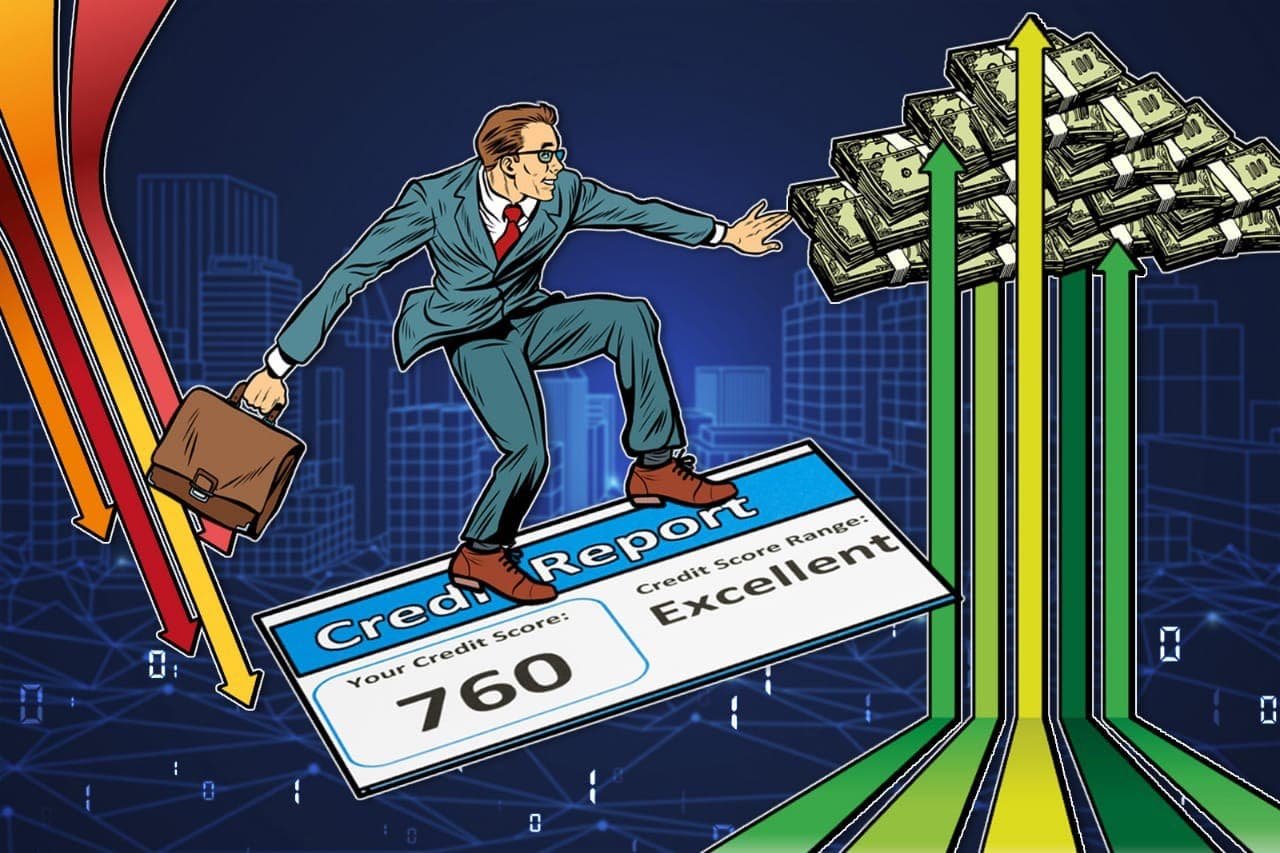
Credit reports touch more of your life than most people realize. They can either usher in new beginnings or be the deciding factor in a mortgage denial, a rejected rental application, or a job offer that never came through. But when bad outcomes follow credit pulls, the problem isn’t necessarily that your financial history isn’t great; sometimes it’s that an error in your credit report makes it look that way.
If your credit report contains wrong information and the credit bureau hasn’t fixed it, a credit report lawyer may be able to help. The process starts with identifying who is legally responsible under the Fair Credit Reporting Act (hint: it’s the credit bureaus!), what the violation is, and whether you have a claim for compensation.
What Counts as a Credit Report Error
The FCRA requires consumer reporting agencies (like the credit bureaus) and the companies that supply them with data, called furnishers, to maintain reasonable procedures to ensure maximum possible accuracy. This legal standard for accuracy is much higher than people assume. It is not enough for a credit bureau to say the furnisher confirmed the information. The bureau has to actually investigate whether the information is true in the first place.
Credit report errors can show up in a variety of ways. There are errors in what is being reported, meaning wrong facts about your accounts, your balances, your payment history, your debts, etc. And then there are larger issues with your credit file itself, like data from someone else's file showing up in yours or your entire file being falsely marked as deceased. Any of these can do real damage, and any can support a legal claim to recover from that damage.
Common Types of Credit Report Errors We Handle
Inaccurate Information
This is the most common category, and it covers a wide range of problems, from a debt you paid off still showing as unpaid, an account balance that is wrong, a late payment recorded when you paid on time, to accounts listed twice and a closed account that shows as open.
The harm from these errors is not abstract. A single misreported late payment can drop a credit score by 90 points or more, which is often enough to change the outcome of a mortgage application or push your interest rate up significantly.
Common examples of inaccurate info include:
- Paid debts still reported as delinquent or in collections
- Closed accounts showing as open
- The same debt appearing more than once on your report
- Wrong personal information, including name, address, or Social Security number
- On-time payments recorded as late, or payments not showing at all
Mixed Files
A mixed file happens when a credit bureau combines your credit history with someone else's, usually because of overlapping personal details like similar names, close birth dates, or partial Social Security number matches. You end up with accounts, addresses, or payment history that has nothing to do with you.
Under the FCRA, preventing this is the credit bureau's responsibility. A mixed file is not a clerical accident that gets a pass. It is a failure to maintain reasonable procedures, and that failure is actionable from the very start.
Explore our comprehensive guide on mixed credit files to discover real-world examples of how they occur, understand your rights under the FCRA, and learn how to get help.
Fraudulent Accounts
Identity theft cases often first become apparent through your credit report, looking like an account opened in your name that you never applied for or a hard inquiry from a lender you have never heard of. Under the FCRA, consumers can request that fraudulent information be blocked from their credit report by providing documentation of the theft. When credit bureaus fail to honor this legal right after a proper dispute, a credit dispute attorney can pursue claims against the bureau, the furnisher, or even both.
Wrong Balances and Credit Limits
An overstated balance or an understated credit limit both hurt your debt-to-credit ratio, which is one of the heavier factors in your credit score. These errors often come from furnishers reporting outdated data, and they persist when bureaus run the dispute through an automated system instead of actually checking. The impact on your credit score can be significant even when everything else in the report is correct.
False Deceased Notation
Being marked as deceased on your credit report is one of the more disruptive errors. Accounts get closed automatically. Lenders stop processing applications. Background checks flag the notation, and deals fall apart. Getting it corrected without legal help usually involves navigating multiple bureaucracies at once, none of which is in a hurry to help out. Credit reporting attorneys know what the law requires and can apply the right pressure.
When Credit Bureaus and Furnishers Can Be Held Accountable
The FCRA creates legal duties for both the credit bureaus and the companies that send them the data (the furnishers).
Credit bureaus – Equifax, Experian, and TransUnion – are required under the FCRA to follow reasonable procedures to ensure maximum possible accuracy. When a consumer disputes something, the FCRA gives the bureau 30 days to conduct a proper reinvestigation of the information in question. Credit bureaus like to take the easy way out by just sending your dispute to the furnisher through an automated system and then accepting whatever response comes back. But the courts have been clear that this does not count as a proper reinvestigation.
Furnishers, which include banks, lenders, credit card companies, and collection agencies, have their own obligations under the FCRA. Once a credit bureau notifies them of a dispute, they are required to investigate and correct anything they cannot verify. If they don’t do that, they’re separately liable (meaning, they can be held legally accountable, along with the credit bureaus).
In practice, many errors involve both sides. The furnisher reports something wrong, and the credit bureau fails to catch it or correct it after a dispute. Credit bureau attorneys can pursue claims against one or both parties, depending on where the failures happened.
Common Problems Caused by Credit Report Errors
If you aren’t lucky enough to spot credit report errors before they cause problems, then you likely already know the types of trouble they can cause. Some of the most common include:
- Loan and credit denials: credit scores and credit data are critical to making lending decisions. From credit card applications to mortgage and auto loans, approvals hinge on the story told through your credit report. Credit report errors can lead to unexpected denials.
- Higher interest rates: People don’t realize that even if you are approved for a loan or line of credit, your credit report impacts the interest rates you receive. Errors that aren’t enough to get you denied, may still be enough to bump you into a higher interest rate, and you may not even know it.
- Denied rental applications: Property owners, managers, and landlords want to see a credit report that suggests you’ll be a tenant who can pay in full and on-time. Errors can put an immediate red flag on your file that either gets heightened scrutiny or ends in a rejection.
- Employment rejections: Many jobs require an employment background check, and credit reports can be a part of the clearance process. This is especially true for any job involving fiduciary responsibilities.
- Higher insurance premiums: Just like interest rates can rise as your credit score decreases, the same can be true of insurance premiums. You may end up paying more for insurance without even realizing that credit report errors are to blame.
What a Credit Report Dispute Lawyer Can Do
You have the right to dispute errors yourself. The problem is that the dispute process is not really designed to produce thorough outcomes for consumers who go through it alone.
Credit bureaus handle millions of disputes, and most of them get routed through automated systems. You submit your dispute, the system pings the furnisher, the furnisher confirms the data, and the bureau closes the dispute as verified. From their perspective, that’s it – problem solved.
But for you, there’s no change- the error stays and all you get is a letter explaining that the information was investigated and found to be accurate.
What credit report lawyers do differently is work the legal angle, not just the dispute process. This means:
- reviewing your full report to catch violations you may not have identified
- Identifying and building documentation that is much harder to dismiss
- filing legal claims under the FCRA when the bureau or furnisher has not met its obligations
- pursuing compensation for the harm the error caused, not just getting the record corrected
And, under the FCRA's fee-shifting provisions, if the credit bureau or furnisher is found to be responsible, they pay your legal fees. You pay nothing out of pocket.
What Compensation May Be Available
The FCRA allows you to recover several categories of compensation when your rights have been violated:
- Actual damages, which covers financial losses from denied credit, lost housing or employment opportunities, and higher borrowing costs from a suppressed score
- Emotional distress damages for the stress and disruption the error caused
- Statutory damages of up to $1,000 per violation
- Punitive damages in cases where the violation was willful
- Attorney fees and costs, which the law requires the violating party to pay
File a Dispute Directly With the Credit Bureaus
To file a credit report dispute, you’ll need to take these basic steps:
- Review your credit reports and note every error
- Identify and gather copies of documents that support your dispute
- Prepare a thorough dispute letter that references the errors and the supporting documentation
- Submit the dispute, along with the marked up copies
- Track the timing for the 30 day response deadline
Credit report lawyers can prepare the dispute for you.
To file your dispute, you have two options. First, the major credit bureaus have a direct dispute portal for online filing. You should be aware that if you use these online dispute portals, they may require you to waive certain legal rights.
For this reason, we recommend the second option- filing your dispute, including your letter and copies of your supporting documents, using certified mail. By saving the mail receipts, this keeps you in control of tracking the dates and retaining copies of what was sent.
If you have already gone through the dispute process and the error is still there, or if the credit bureau's response doesn’t reflect a genuine investigation, it makes sense to talk to a credit report error lawyer about what legal options are available.
Related Resources
If your situation involves how a credit bureau specifically handled your dispute, the following pages may be useful:
- Can You Sue Equifax for Wrong Information on Your Credit Report?
- How to Sue Experian for Credit Report Errors
- How to Dispute a Credit Report and Win
Free Case Review
Consumer Attorneys represents clients across the entire country. If a credit bureau or furnisher hasn’t corrected an error on your report, or if a dispute you filed did not result in a real investigation, contact our team for a free case review. We will look at your situation, identify any FCRA violations, and walk you through your options. No out-of-pocket costs.

Credit Report Errors
Daniel Cohen

Credit Report Errors
David Pinkhasov

Credit Report Errors
Moshe Boroosan

Credit Report Errors
Meir Rubinov

Credit Report Errors
Jonathan Krikheli

Credit Report Errors
Nisan Zaghi

Credit Report Errors
Yaear Weintroub

Credit Report Errors
Atid Malka

Credit Report Errors
Max Warshaw

Lana was very knowledgeable and patient. This was my first time using the services of a law firm to fix my credit, and the Consumer Attorneys team nailed it.
I work in finance and expected MUCH more care in every aspect of data handling compared to what actually happens at credit bureaus after discovering incorrect data on my credit report. Finding information belon...
When I first realized I was a victim of identity theft, I was extremely deflated. There’s never a good time for these kinds of things, but it was especially brutal timing when it went down for me. After consult...
When my credit report erroneously marked me as deceased, my financial life turned into a nightmare. My attempts to secure loans were hopelessly blocked, access to my existing bank accounts was frozen, and attem...
Checked my credit report. Found some random dude’s name on it. Freaked out.
Tried to fix it myself — nope. A friend told me to call Consumer Attorneys. Best decision I’ve made in a while. They handled everything...
I discovered errors on my credit report and attempted to resolve them on my own. Unfortunately, I made no progress.
I contacted Consumer Attorneys based on their strong reputation. They were professional, thorou...
As a software engineer, I assumed I could fix my credit report myself. Turns out, legal assistance is necessary in cases like this.
I chose Consumer Attorneys for their professionalism and structured approach. T...
Thank you.
You fixed what I thought was impossible. My credit is clean. My life is back on track. No delays, no runaround - just results.
If you need help, don’t hesitate.
Frequently Asked Questions
Before contacting a lawyer, gather copies of your credit reports, highlight the inaccuracies, and document any disputes you’ve filed with the credit bureaus.
Depending on the complexity, resolving credit report disputes can take anywhere from a few weeks to several months, especially if legal action is required.
You may recover actual damages (like lost job opportunities or emotional distress), statutory damages (up to $1,000 per violation), punitive damages, and attorney fees.
While you can dispute errors yourself, hiring an attorney often results in a faster, more effective resolution, especially if the bureau initially refuses to correct the mistake.
If a credit bureau ignores your dispute or fails to correct inaccurate information, you can sue them under the FCRA with the help of a specialized attorney.
Related Articles


R
ONGS™